disaster zone podcast: disaster costs will put state budgets at risk
The President and Secretary of Homeland Security have repeatedly stated that they intend to shift more responsibility for disaster costs to the states. With that in mind, the podcast below looks at the readiness of states to absorb those increased disaster costs. I also need to highlight that the council that was to have met on 12/11/25 had the meeting cancelled at the last moment, even after people had traveled from across the country and arrived for the meeting. Even Secretary Noem was caught off guard by the last-minute cancellation.
Disaster Zone Podcast: Disaster Costs Will Put State Budgets at Risk
The Trump Administration has been making statements since January 2025 that they, meaning both the President and the Secretary of Homeland Security, want to shift disaster costs, beginning with disaster preparedness and then also disaster response and recovery more to states and local jurisdictions. PEW Charitable Trusts recently released a report, What Waning Federal Disaster Aid Would Mean for State Budgets This is the subject of this podcast. How will a reduction in federal funding for disasters impact state budgets.
As states face growing disaster costs, declining revenue, and an uncertain federal funding landscape, the need to build more disaster-resilient budgets is greater than ever. At the same time, as federal policymakers weigh proposals to reduce disaster assistance to states, they will need to account for the availability of state resources relative to the federal aid they have historically received and recognize that even modest changes in state budgets can have significant effects on other key initiatives.
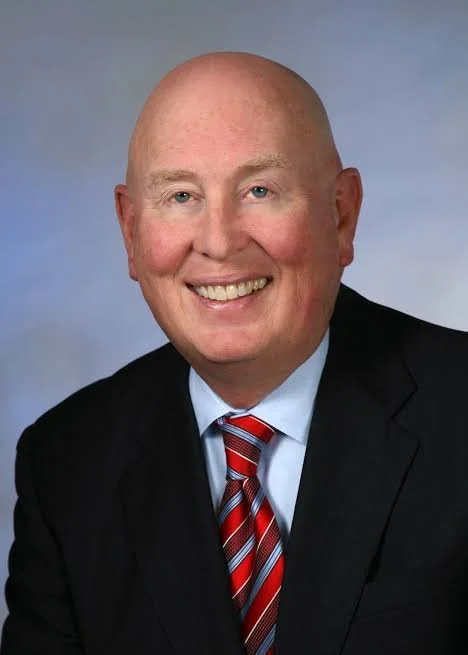
The podcast guest is Colin Foard. He directs Pew’s managing fiscal risks initiative, which helps state policymakers prepare for new and emerging risks to fiscal stability and manage uncertainty by strengthening budgeting practices across several areas. Previously, Foard worked for Pew’s fiscal federalism initiative, contributing to research and technical assistance on natural disaster spending and other aspects of the federal-state fiscal relationship.
Before joining Pew, Foard spent five years on the staff of a senior member of the U.S. House of Representatives’ appropriations and budget committees, handling committee work as well as a broad policy portfolio that included homeland security, transportation, housing, and immigration issues. He also served as a congressional constituent caseworker and field representative in Oakland, California.
Foard holds a bachelor’s degree from Union College in Schenectady, New York, and a master’s in Latin American studies from the University of California, Berkeley.